
Ten darmowy kalendarz Księżyca online jest przydatny dla każdego, kto chce zobaczyć fazy Księżyca w Grudzień 2023. Pierwszy dzień tego miesiąca zaczyna się od fazy . Dzięki miesięcznemu kalendarzowi faz Księżyca możesz też sprawdzić dokładne daty pełni, nowiu, pierwszej i ostatniej kwadry dla Grudzień 2023. Odwiedź także kalendarz faz Księżyca na 2023 aby zobaczyć wszystkie dzienne fazy Księżyca w tym roku.
Grudzień 2023
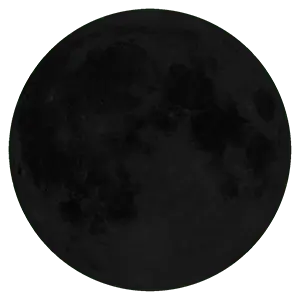
Nów
To pierwsza i niewidoczna faza Księżyca – oświetlona strona Księżyca zwrócona jest ku Słońcu, a nocna ku Ziemi. Nów jest bezpośrednio widoczny tylko podczas zaćmienia Słońca.
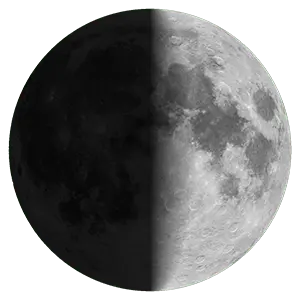
Pierwsza kwadra
Tydzień po nowiu następuje pierwsza kwadra, gdy Księżyc przebył ćwierć swojej orbity. Nazywana jest też półksiężycem. Księżyc w pierwszej kwadrze wschodzi około południa i zachodzi około północy.
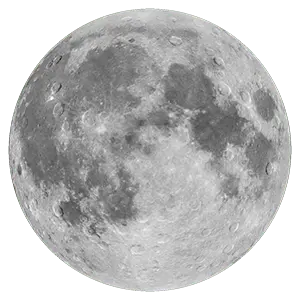
Pełnia
Przy 100 % oświetlenia dzienna strona Księżyca jest zwrócona wprost ku nocnej stronie Ziemi i Księżyc jest w pełni. Pełnia wschodzi o zachodzie Słońca i zachodzi o wschodzie, a przy horyzoncie wydaje się większa.
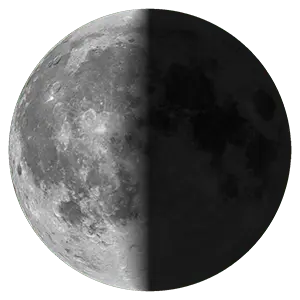
Ostatnia kwadra
Księżyc wchodzi w ostatnią (trzecią) kwadrę swojej orbity w wieku prawie 23 dni. Oświetlona wydaje się tylko połowa. Tę fazę widać późną nocą i wczesnym rankiem (około 6).
A "micromoon" is a term used in popular astronomy to describe a full moon or a new moon that occurs when the moon is at or near its apogee, which is the furthest point from Earth in its elliptical orbit. This is the opposite of a "supermoon," which occurs when a full moon or new moon is at or near its perigee, which is the closest point to Earth in its orbit."
Więcej Fakty o KsiężycuThis is an optical illusion. The Moon looks large shortly after it rises when it's still touching the horizon. This is not the same as a Supermoon.
Więcej Fakty o KsiężycuIt depends on the time of day. The Moon is very hot in the daytime and very cold at night. The average temperature on the Moon varies from -298 degrees Fahrenheit (-183 degrees Celsius), at night, to 224 degrees Fahrenheit (106 degrees Celsius) during the day.
Więcej Fakty o KsiężycuHere are the top 5 things that make the Moon so unique.
1. The Moon is Earth's only permanent natural satellite.
2. Moon dust smells like gunpowder.
3. The Moon keeps the same face pointing toward the Earth.
4. The Moon has no – or just a really thin – atmosphere so there is no weather.
5. The Moon is visible in daylight nearly every day.
An analysis of moon's mineral composition suggests that the moon is around 4.425 billion years old.
Więcej Fakty o KsiężycuNo, it doesn’t generate its own light. “Moonlight” is really sunlight that has reflected off of the Moon’s surface. In the same way that the Sun illuminates Earth, the Moon reflects the Sun's light, making it appear bright in our sky.
Więcej Fazy KsiężycaA "micromoon" is a term used in popular astronomy to describe a full moon or a new moon that occurs when the moon is at or near its apogee, which is the furthest point from Earth in its elliptical orbit. This is the opposite of a "supermoon," which occurs when a full moon or new moon is at or near its perigee, which is the closest point to Earth in its orbit."
Więcej Fazy KsiężycaThe Moon is the fifth largest satellite in the Solar System and the biggest in comparison to its host planet, with a diameter about one-quarter that of Earth. The exact diameter is 2159.14 miles (3 474.8 km ).
Więcej Fazy KsiężycaThe Moon makes Earth a more livable planet by moderating our home planet's wobble on its axis, leading to a relatively stable climate.
Więcej Fazy KsiężycaThis is an optical illusion. The Moon looks large shortly after it rises when it's still touching the horizon. This is not the same as a Supermoon.
Więcej Fazy KsiężycaA "micromoon" is a term used in popular astronomy to describe a full moon or a new moon that occurs when the moon is at or near its apogee, which is the furthest point from Earth in its elliptical orbit. This is the opposite of a "supermoon," which occurs when a full moon or new moon is at or near its perigee, which is the closest point to Earth in its orbit."
Więcej CiekawostkiNo, it doesn’t generate its own light. “Moonlight” is really sunlight that has reflected off of the Moon’s surface. In the same way that the Sun illuminates Earth, the Moon reflects the Sun's light, making it appear bright in our sky.
Więcej CiekawostkiNo, the moon has no water and has only a very thin and tenuous atmosphere (called an exosphere) so it cannot trap heat or insulate the surface. So, for example, there is no wind to create weather system. The Moon does, in fact, affect the Earth's climate and weather patterns in several subtle ways.
Więcej CiekawostkiAn orange moon means the shorter wavelengths of light are being filtered away. This could be due to the low position on the horizon causing the light to go through more atmosphere, smoke in the air, or pollution.
Więcej CiekawostkiThe Moon is the fifth largest satellite in the Solar System and the biggest in comparison to its host planet, with a diameter about one-quarter that of Earth. The exact diameter is 2159.14 miles (3 474.8 km ).
Więcej Ciekawostki






MoonPhaseToday.org pozwala sprawdzić fazę Księżyca na dziś i tę noc, a także na dowolny dzień, miesiąc i rok. Obliczenia fazy Księżyca opierają się na Twojej strefie czasowej, ale pokazujemy też dokładne godziny w formacie UTC. Mamy nadzieję, że nasze narzędzie okaże się przydatne i wygodne w sprawdzaniu faz Księżyca.
MoonPhaseToday.org