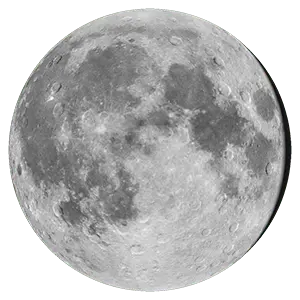
आज और आज रात के लिए वर्तमान चंद्र कला है घटता उभार चंद्रमा कला। चंद्रमा अभी 96.7 % प्रकाशित है और घट रहा है। मई 31, 2018आज चंद्रमा की आयु 16.5 दिन है।
पृथ्वी से चंद्रमा की अनुमानित दूरी 403,138 है, और अगली कला तक 6.3 दिन शेष हैं – (अंतिम चतुर्थांश)।
इस महीने की सभी दैनिक चंद्र कलाएँ देखने के लिए मई 2018 चंद्र कला कैलेंडर भी देखें।

चंद्र कला: घटता उभार चंद्रमा
पिछली कला: पूर्णिमा ()
चंद्रमा की दूरी: 403,138 km
प्रकाश: 96.7 %
चंद्रमा की आयु: 16.5 दिन
अगली कला: अंतिम चतुर्थांश ()
चंद्रमा का कोणीय आकार: 0.49
सूर्य की दूरी: 151,676,022 km
चंद्रमा की राशि: मकर

2018-05-15 – 2018-06-13
| चंद्र कला | तिथि और समय |
तिथि और समय (UTC) |
|---|---|---|
| अमावस्या | ||
| प्रथम चतुर्थांश | ||
| पूर्णिमा | ||
| अंतिम चतुर्थांश | ||
| अमावस्या |

यह चंद्रमा की पहली और अदृश्य कला है, जिसमें चंद्रमा का प्रकाशित भाग सूर्य की ओर और रात्रि भाग पृथ्वी की ओर होता है। अमावस्या केवल सूर्य ग्रहण के दौरान ही सीधे दिखाई देती है।
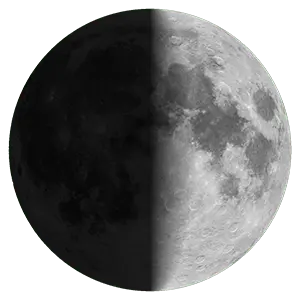
प्रथम चतुर्थांश
अमावस्या के एक सप्ताह बाद प्रथम चतुर्थांश आता है, जब चंद्रमा अपनी कक्षा का एक चौथाई पूरा कर लेता है। इसे अर्ध चंद्र भी कहते हैं। प्रथम चतुर्थांश का चंद्रमा दोपहर के आसपास उगता और मध्यरात्रि के आसपास अस्त होता है।
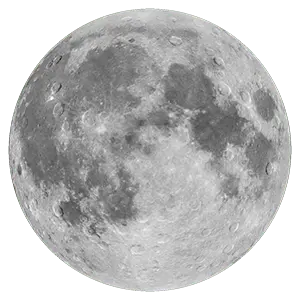
पूर्णिमा
100 % प्रकाश पर चंद्रमा का दिन वाला भाग सीधे पृथ्वी के रात्रि भाग की ओर होता है और चंद्रमा पूर्ण होता है। पूर्णिमा सूर्यास्त के आसपास उगती और सूर्योदय के आसपास अस्त होती है, तथा क्षितिज के पास बड़ी दिखती है।
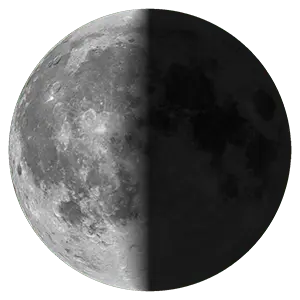
अंतिम चतुर्थांश
चंद्रमा लगभग 23 दिन की आयु में अपनी कक्षा के अंतिम (तीसरे) चतुर्थांश में प्रवेश करता है। केवल आधा भाग प्रकाशित दिखता है। यह कला देर रात और भोर (लगभग 6 बजे) दिखाई देती है।
No, it doesn’t generate its own light. “Moonlight” is really sunlight that has reflected off of the Moon’s surface. In the same way that the Sun illuminates Earth, the Moon reflects the Sun's light, making it appear bright in our sky.
और देखें चंद्र तथ्यAn analysis of moon's mineral composition suggests that the moon is around 4.425 billion years old.
और देखें चंद्र तथ्यA supermoon occurs when the Moon's orbit is closest (perigee) to Earth at the same time the Moon is full. At such a time, the Moon can look larger and brighter than it normally does - especially when it is seen rising above the horizon. However, it's important to note that the actual difference in size and brightness between a supermoon and an average full moon is not typically dramatic, and may not be noticeable to the naked eye without a direct comparison.
और देखें चंद्र तथ्यIt depends on the time of day. The Moon is very hot in the daytime and very cold at night. The average temperature on the Moon varies from -298 degrees Fahrenheit (-183 degrees Celsius), at night, to 224 degrees Fahrenheit (106 degrees Celsius) during the day.
और देखें चंद्र तथ्यAn orange moon means the shorter wavelengths of light are being filtered away. This could be due to the low position on the horizon causing the light to go through more atmosphere, smoke in the air, or pollution.
और देखें चंद्र तथ्यThe Moon makes Earth a more livable planet by moderating our home planet's wobble on its axis, leading to a relatively stable climate.
और देखें चंद्र कलाएँNo, it doesn’t generate its own light. “Moonlight” is really sunlight that has reflected off of the Moon’s surface. In the same way that the Sun illuminates Earth, the Moon reflects the Sun's light, making it appear bright in our sky.
और देखें चंद्र कलाएँAn orange moon means the shorter wavelengths of light are being filtered away. This could be due to the low position on the horizon causing the light to go through more atmosphere, smoke in the air, or pollution.
और देखें चंद्र कलाएँNo, the moon has no water and has only a very thin and tenuous atmosphere (called an exosphere) so it cannot trap heat or insulate the surface. So, for example, there is no wind to create weather system. The Moon does, in fact, affect the Earth's climate and weather patterns in several subtle ways.
और देखें चंद्र कलाएँHere are the top 5 things that make the Moon so unique.
1. The Moon is Earth's only permanent natural satellite.
2. Moon dust smells like gunpowder.
3. The Moon keeps the same face pointing toward the Earth.
4. The Moon has no – or just a really thin – atmosphere so there is no weather.
5. The Moon is visible in daylight nearly every day.
Here are the top 5 things that make the Moon so unique.
1. The Moon is Earth's only permanent natural satellite.
2. Moon dust smells like gunpowder.
3. The Moon keeps the same face pointing toward the Earth.
4. The Moon has no – or just a really thin – atmosphere so there is no weather.
5. The Moon is visible in daylight nearly every day.
A "micromoon" is a term used in popular astronomy to describe a full moon or a new moon that occurs when the moon is at or near its apogee, which is the furthest point from Earth in its elliptical orbit. This is the opposite of a "supermoon," which occurs when a full moon or new moon is at or near its perigee, which is the closest point to Earth in its orbit."
और देखें रोचक तथ्यAn analysis of moon's mineral composition suggests that the moon is around 4.425 billion years old.
और देखें रोचक तथ्यIt depends on the time of day. The Moon is very hot in the daytime and very cold at night. The average temperature on the Moon varies from -298 degrees Fahrenheit (-183 degrees Celsius), at night, to 224 degrees Fahrenheit (106 degrees Celsius) during the day.
और देखें रोचक तथ्यNo, the moon has no water and has only a very thin and tenuous atmosphere (called an exosphere) so it cannot trap heat or insulate the surface. So, for example, there is no wind to create weather system. The Moon does, in fact, affect the Earth's climate and weather patterns in several subtle ways.
और देखें रोचक तथ्य






MoonPhaseToday.org आपको आज और आज रात, या किसी भी दिन, महीने और वर्ष की चंद्र कला देखने देता है। चंद्र कला की गणना आपके समय क्षेत्र पर आधारित है, लेकिन हम आपको सटीक समय UTC प्रारूप में भी दिखाते हैं। आशा है कि आपको चंद्र कलाएँ जानने के लिए हमारा उपकरण उपयोगी और सरल लगेगा।
MoonPhaseToday.org